


Today’s Favorite Quote: The great pleasure in life is doing what people say you cannot do - Walter Bagehot
Happy Birthday to those who have passed on and to thos great wrestlers still with us:
In Memoriam:
Dizzy Davis 1914
Ilio DiPaulo 1926
Happy Birthday:
Boni Blackstone (61)
Ted DiBiase, Jr (44)
Keith Lee (42)
Kazuchika Okada (39)
Richard holliday (34)
Julia Hart (25)
RIP Memorial: We stop & remember those who have passed on this day and gave themselves to the business for us, the fans. We salute you and thank you.
Martin “The Blimp” Levy 10-8-1961 at the age of 56

Al Romero 10-8-2000 at the age of 54

Charley Garza\The Mysterious Medic #1 10-8-2011 at the age of 83

Don Fargo 10-8-2015 at the age of 85
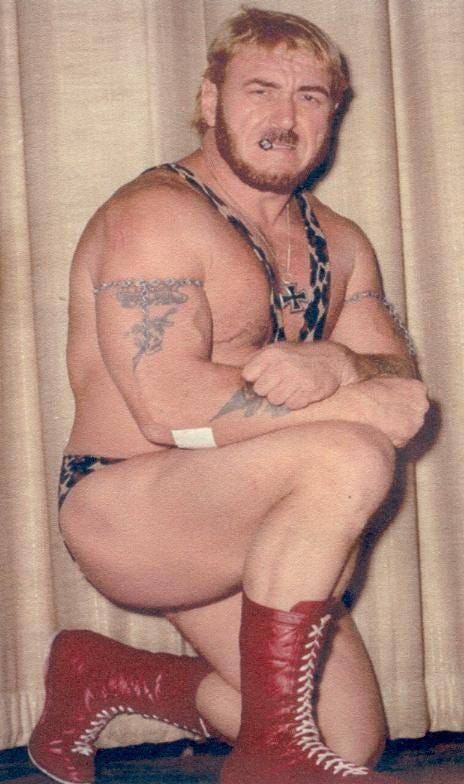
Bobby Stephens\Sputnik Monroe, Jr 10-8-2021 at the age of 76
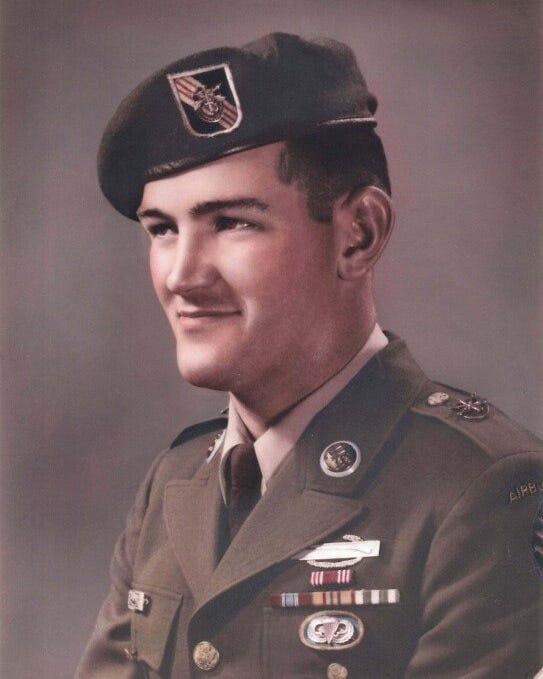
Edward Corlett\Karl Von Steiger 10-8-2022 at the age of 80

Significant Pro Debut
11-8-1947: Bob Clay vs Stu Hart at the City Hall in Muskogee, Oklahoma

Pictured: Bob Clay
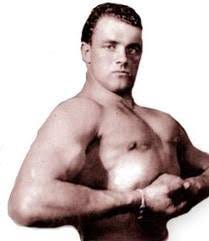
Pictured: Stu Hart
Flashback 1976
Q4 Territory and Business Analysis
October-December
Big Time Wrestling Territory
Dallas, Texas Booking Office
Booking, Talent Management and Creative Change
Red Bastien, who had been involved in the Dallas booking office (and was still working the territory into the summer), left in a strictly in-ring capacity for Mid-Atlantic around August 1976. By that point he was already appearing on Mid-Atlantic cards (including matches against Ric Flair).
Gary Hart, who had previously worked the territory as a manager and had earlier office experience in Texas, assumed the booking role in late summer 1976. He has stated that he took over the Dallas office that year, succeeding the previous arrangement that had involved both Danny Plechas and Red Bastien. Hart was already active in the territory by the end of the year (appearing in the December 28 cage match in Dallas).
This late-summer transition is the relevant office change to note in the Q4 business analysis: Bastien’s departure removed a veteran wrestler/office figure who had been part of the mid-1970s setup, while Hart’s arrival as booker marked the beginning of a longer period of creative control that would continue into the early 1980s. The October–December cards still reflect the ongoing Fritz Von Erich–centered product, but the booking authority had shifted.
The product itself did not break. Fritz Von Erich remained the clear top babyface and American Heavyweight Champion. The Dallas Sportatorium and Fort Worth North Side Coliseum continued their regular cadence. The same supporting cast (Rocky Johnson, Jose Lothario, Thunderbolt Patterson, Les Thornton, Tony Charles, Moondog Mayne, Lord Alfred Hayes, Siegfried Stanke, Big O, etc.) filled the undercards, and the same pattern of disqualifications, count-outs, and occasional special attractions (Mil Mascaras, Andre the Giant, a Terry Funk appearance) continued. Gates and town-to-town consistency appear to have held. In other words, the office change did not coincide with a collapse or a sudden creative overhaul visible to the public in the final quarter of the year.
What did change was the identity of the person controlling talent flow and matchmaking. Hart later described the Dallas office as the central clearinghouse for wrestlers used in Houston (Paul Boesch), San Antonio (Joe Blanchard), Corpus Christi, Austin, and the rest of the Texas circuit. Once he was in the chair, decisions about who worked where, how long they stayed, and how programs were structured ran through him rather than through Bastien.
Nature of the transition
Bastien’s exit was primarily a personnel move rather than a creative crisis. He had been a respected veteran wrestler with front-office involvement; by mid-to-late summer he had moved to Mid-Atlantic in a pure in-ring role. Hart’s arrival was the more consequential piece. He was not simply a replacement booker; he was a manager and creative who already understood the Texas territory, had prior experience with Fritz, and brought a more aggressive, angle-driven sensibility. Hart’s own accounts place his assumption of the booking role in 1976 and frame it as the start of a multi-year run.
Medium- and longer-term effects
This transition set the stage for the territory’s next phase rather than transforming Q4 1976 itself:
• Creative control and longevity: Hart’s tenure as booker stretched from 1976 into late 1982. He was the booker during the period when the Von Erich sons began to be elevated and, later, when the Freebirds feud was constructed. The 1976 handoff therefore marks the beginning of the creative structure that would eventually produce the territory’s peak years in the early 1980s.
• Talent management and leverage: Because the Dallas office controlled the bulk of the talent used across Texas, Hart’s position gave him leverage over the promoters in Houston and San Antonio. He has described this explicitly. Bastien’s departure removed a veteran wrestler who had relationships across those towns; Hart’s arrival centralized that authority under someone who operated as both booker and on-screen manager.
• Style shift: Bastien’s influence had been that of a high-level wrestler who could work main events and contribute to the office. Hart’s influence was more managerial and storyline-oriented. The Q4 1976 cards still look like classic mid-1970s Texas wrestling (Fritz as the anchor, rotating heels, special attractions). The fuller expression of Hart’s booking—longer-running angles, heavier use of managers, and the eventual construction of the next generation of babyfaces—became clearer in 1977 and beyond, once Bruiser Brody’s arrival and the start of the sons’ push created new pieces to work with.
Big Time Wrestling, promoted by Fritz Von Erich, ran a strong, wrestler-driven Texas circuit in the final quarter of 1976. The promotion centered on the Dallas Sportatorium (Tuesday nights) and the Fort Worth North Side Coliseum, with talent regularly appearing in San Antonio, Houston, Corpus Christi, Austin, and other Texas towns. Fritz Von Erich remained the territory’s central figure as NWA American Heavyweight Champion (a long reign that began in late 1974 and continued well into 1977).
The product mixed local Texas favorites, international imports, and visiting NWA names. Managerial interference, disqualifications, count-outs, and occasional stipulations (including a cage match late in the year) supplied heat. The year had already featured a major Texas Stadium Super Bowl of Wrestling card in June (Terry Funk vs. Fritz for the NWA World title, ending in a double count-out), and the fall months continued the grind of weekly cards built around Fritz’s presence and a rotating midcard of solid workers.
A Clear Contrast in the Booking Approaches of Bastein and Hart:
Red Bastien vs. Gary Hart as bookers
The difference was less about two fully documented, opposing “systems” and more about two different professional identities and priorities. Bastien was a wrestler who did office work. Hart was a creative/manager who became the booker.
Red Bastien – wrestler-first, match-oriented
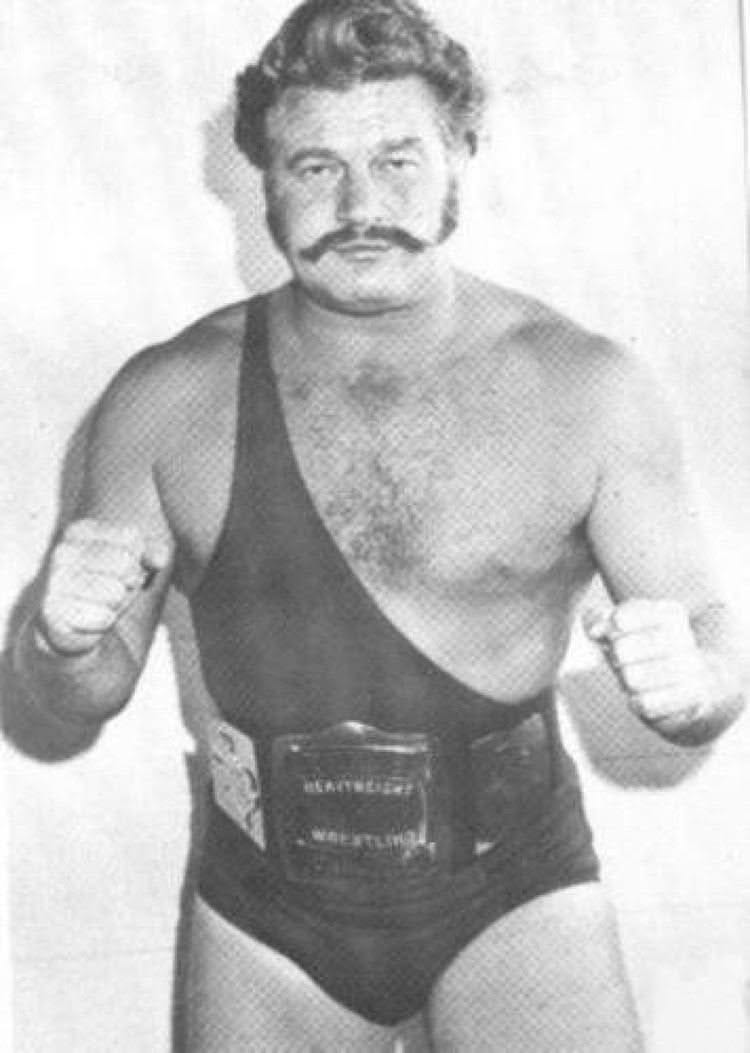
Bastien’s reputation rested on his in-ring work. He was a fast, scientific, aerial specialist (dropkicks, flying head scissors, tag-team craft with Billy Red Lyons and others) who could main-event or work high on the card. His office involvement in Dallas was real—he is listed as a booker and is remembered by others as having recommended talent (most famously spotting Roddy Piper)—but it was secondary to his identity as a working wrestler.
Bastein’s approach points to a traditional, wrestler-centric style:
Emphasis on solid matches and reliable workers rather than elaborate managerial angles.
Use of veteran judgment to identify people who could “go” in the ring.
Less interest in (or less documentation of) multi-month storyline architecture.
By the time he left for Mid-Atlantic in mid-to-late summer 1976, he was functioning primarily as a wrestler again. His Dallas office role appears to have been that of a respected veteran contributor rather than a dedicated long-term creative architect.
Gary Hart – manager/creative-first, angle- and structure-oriented
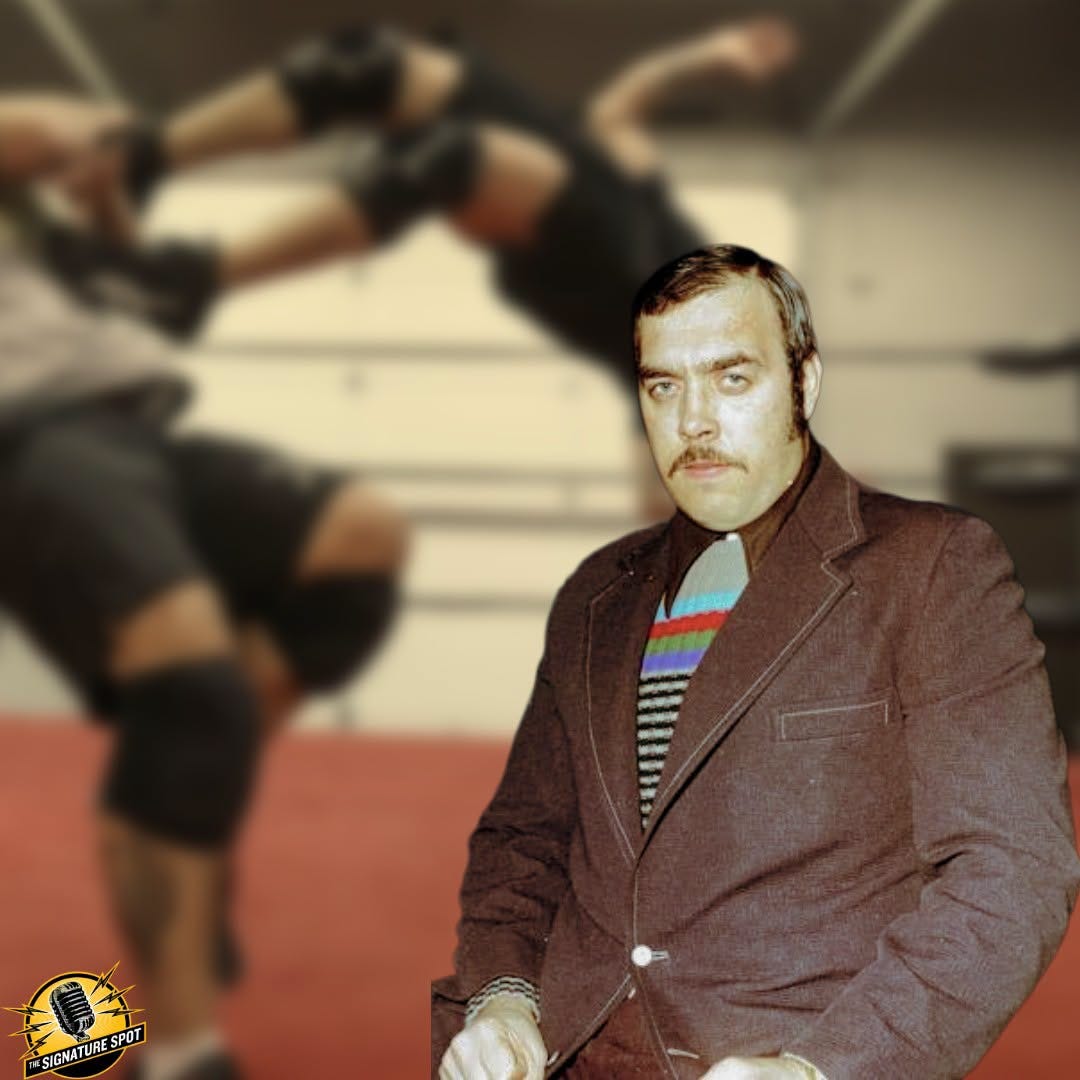
Hart’s core identity was as a manager and idea man. Booking was an extension of that. He has spoken at length about his methods (Kayfabe Commentaries Guest Booker, other interviews), and others (Bill Watts, Jim Cornette) have described them.
Key elements of his philosophy:
“Build a dragon.” Create a clear, formidable heel (or heel unit) for the babyfaces to overcome. The drama comes from the size and credibility of the threat.
Booker vs. matchmaker distinction. A booker simply pairs good guys with bad guys. A matchmaker constructs the specific scenarios, finishes, and progressions that allow the good guys to overcome the dragon. Hart saw himself as both, but especially the latter.
Long-term planning. He described laying out weeks or months of cards in advance: trading wins, using non-finishes and count-outs, then delivering clear results on the bigger shows. This kept talent credible while advancing the story.
Trust over domination. He explicitly contrasted himself with more authoritarian bookers (Watts, Ole Anderson, George Scott). He preferred wrestlers to follow the plan because they trusted his vision rather than because they feared punishment.
Protection of gimmicks and longevity. As both manager and booker, he was skilled at keeping characters (and the people he managed) strong over time rather than burning them quickly.
Centralized talent control. Once he held the Dallas office, he treated it as the clearinghouse for the Texas circuit (Dallas, Fort Worth, Houston, San Antonio, etc.). Decisions about who worked where and how programs moved ran through him.
October 1976
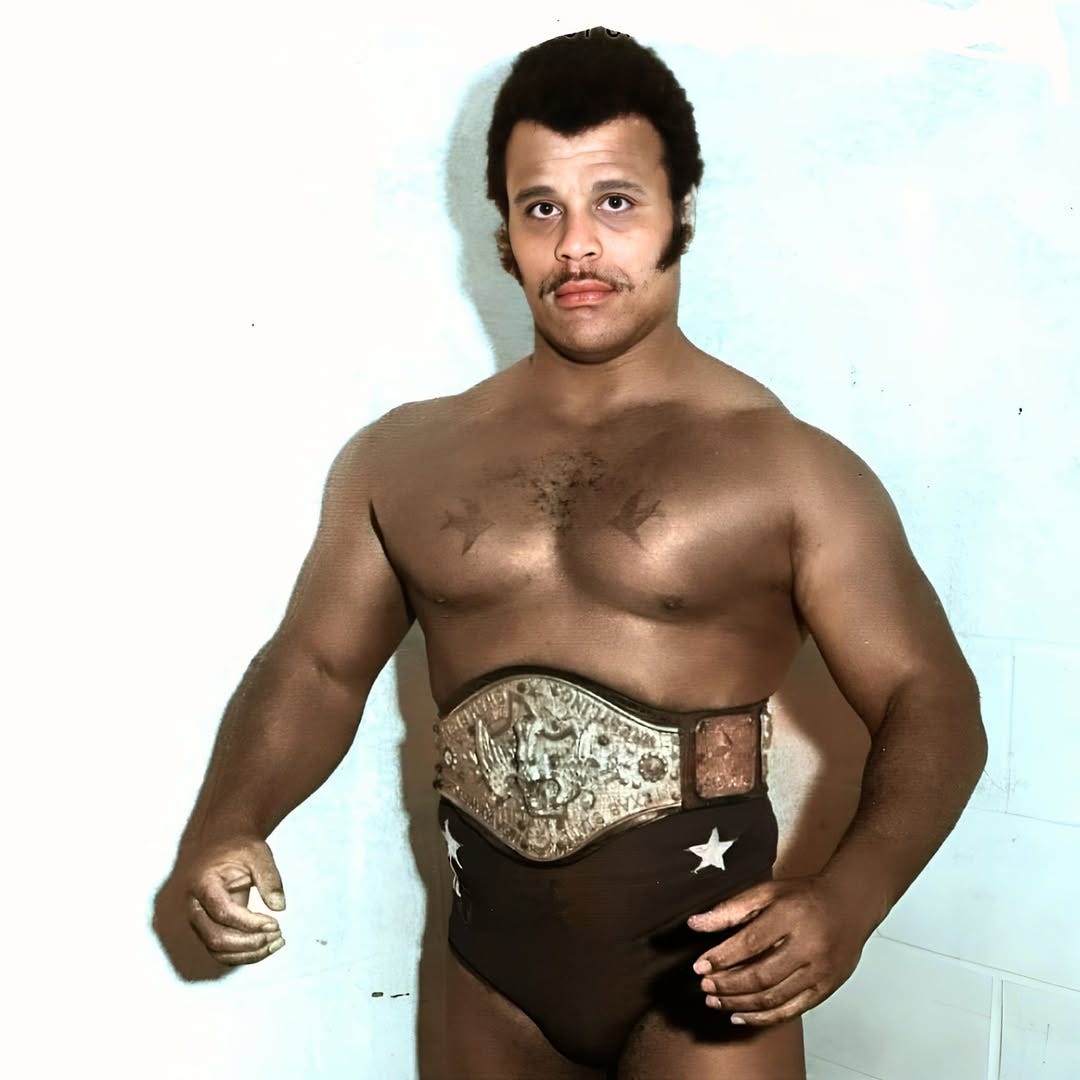
Pictured: Rocky Johnson, NWA Texas Heavyweight Champion
October maintained a busy Dallas–Fort Worth loop. On October 4 in Fort Worth, Rocky Johnson defeated The Sheik by disqualification, Jose Lothario beat Siegfried Stanke, and a six-man tag saw Les Thornton, Tony Charles, and Charlie Cook defeat Big O, Moondog Mayne, and Lord Alfred Hayes. The next night in Dallas, Fritz Von Erich defeated Siegfried Stanke while Rocky Johnson beat Mr. Fuji and The Sheik defeated El Bracero. Mid-month cards continued the pattern.
On October 11 in Fort Worth, Thunderbolt Patterson beat Lord Alfred Hayes by disqualification, Jose Lothario defeated Moondog Mayne by disqualification, and Les Thornton beat Mr. Fuji. October 12 in Dallas featured Thunderbolt Patterson over Moondog Mayne by count-out, Jose Lothario over Big O, and Rocky Johnson over Siegfried Stanke.
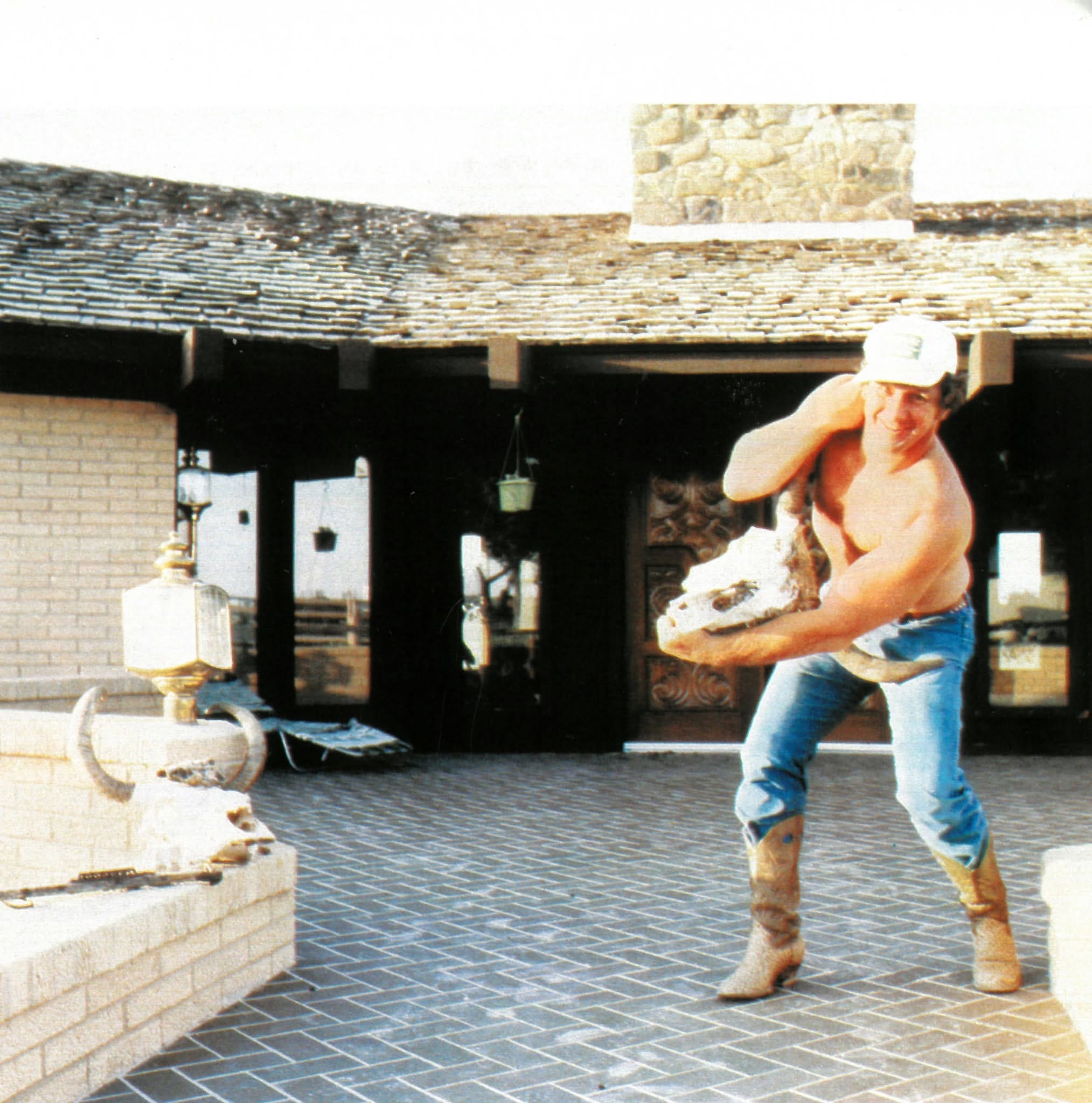
Pictured: Terry Funk at home on the Double-Cross ranch in Umbarger, Texas
October 19 in Dallas included a rare appearance by NWA World Heavyweight Champion Terry Funk, who defeated Rocky Johnson. Supporting matches involved Moondog Mayne, El Bracero, Charlie Cook, and Lord Alfred Hayes. On October 25 in Fort Worth, The Sheik and Moondog Mayne defeated Charlie Cook and Rocky Johnson in a tag match, while Siegfried Stanke went to a double count-out with Mil Mascaras.
The October 26 Dallas card drew special attention when Rocky Johnson defeated The Sheik by disqualification with Tony Charles as special referee; Mil Mascaras also defeated Moondog Mayne. Throughout the month the undercard rotated Les Thornton, Tony Charles, Charlie Cook, Big O, El Bracero, and Mr. Fuji. The American Heavyweight title remained with Fritz, who appeared selectively while the secondary programs generated consistent local heat. Talent moved between the Dallas–Fort Worth core and the wider Texas loop, keeping the same wrestlers visible in San Antonio, Houston, and other towns.
November 1976
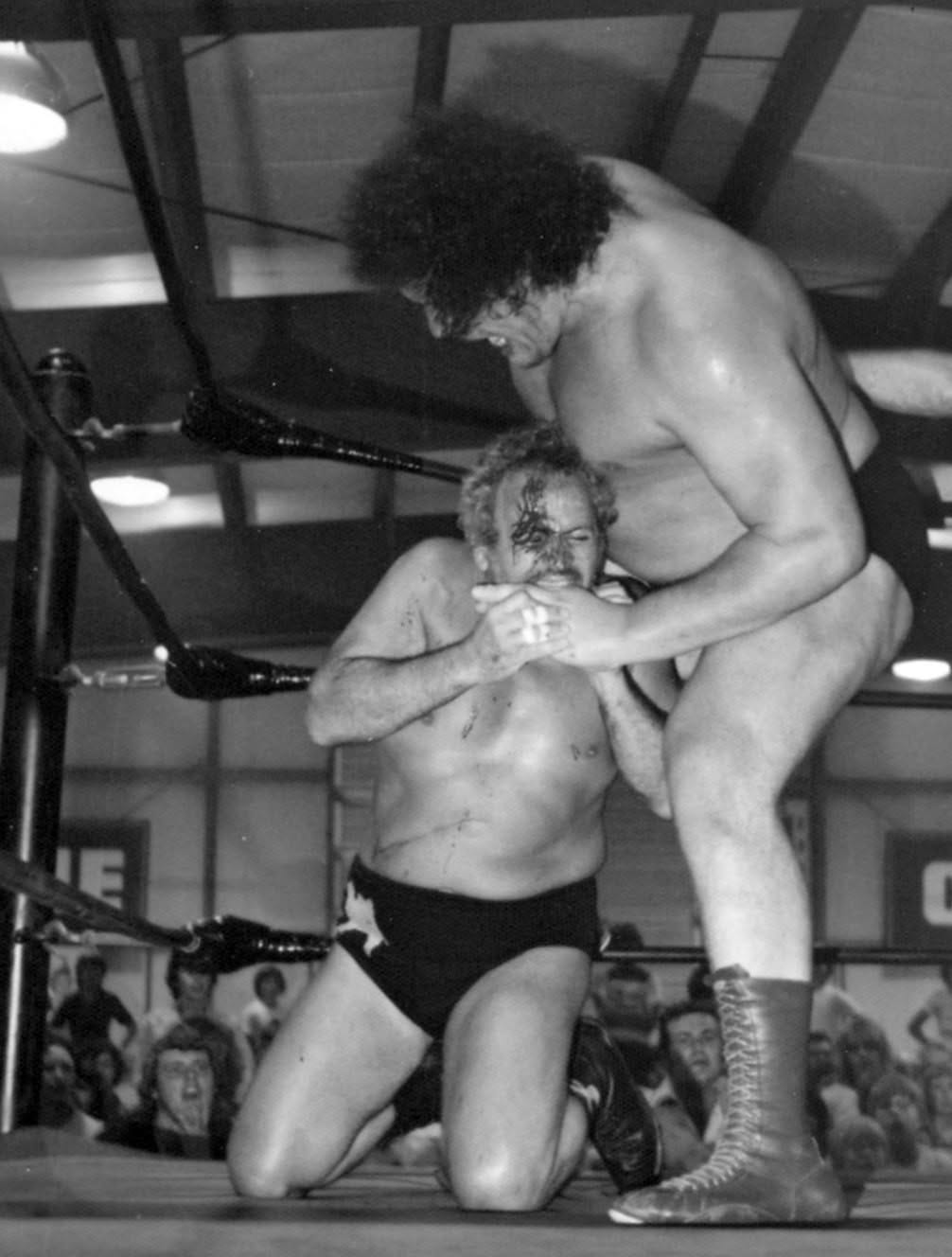
Pictured: Andre The Giant vs The Sheik
November continued the same rhythm while introducing higher-profile special attractions. On November 2 in Dallas, Thunderbolt Patterson defeated Siegfried Stanke by disqualification, Big O drew with Rocky Johnson, and Les Thornton and Tony Charles beat Lord Alfred Hayes and Moondog Mayne. November 9 in Dallas featured Andre the Giant defeating The Sheik by disqualification. Other matches included Siegfried Stanke over Jose Lothario and a six-man tag in which Big O, Moondog Mayne, and Lord Alfred Hayes defeated Rocky Johnson, Les Thornton, and Tony Charles.
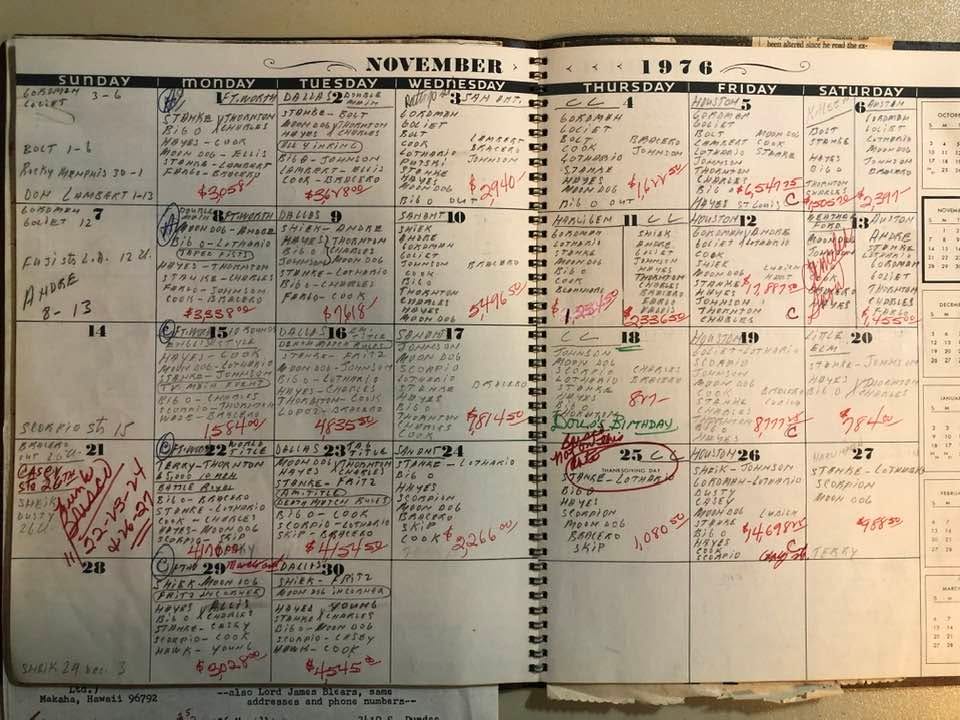
Pictured: Fritz Von Erich’s “booking book” for November 1976
On November 15 in Fort Worth, Jose Lothario beat Moondog Mayne, Siegfried Stanke defeated Rocky Johnson, and Charlie Cook beat Lord Alfred Hayes. The November 16 Dallas card produced a notable result when Siegfried Stanke defeated Fritz Von Erich and the American Heavyweight title was held up. Jose Lothario beat Big O, and Moondog Mayne defeated Rocky Johnson.
The title hold-up kept Fritz central while creating immediate rematch interest. Secondary programs involving the Mayne–Hayes heel combination, Rocky Johnson, Jose Lothario, and the Thornton–Charles team continued across both buildings. Andre the Giant’s appearance supplied a one-night drawing boost typical of the era’s special attractions. The circuit remained focused on Dallas and Fort Worth, with the same roster available for dates in Houston, San Antonio, Corpus Christi, and Austin.
December 1976
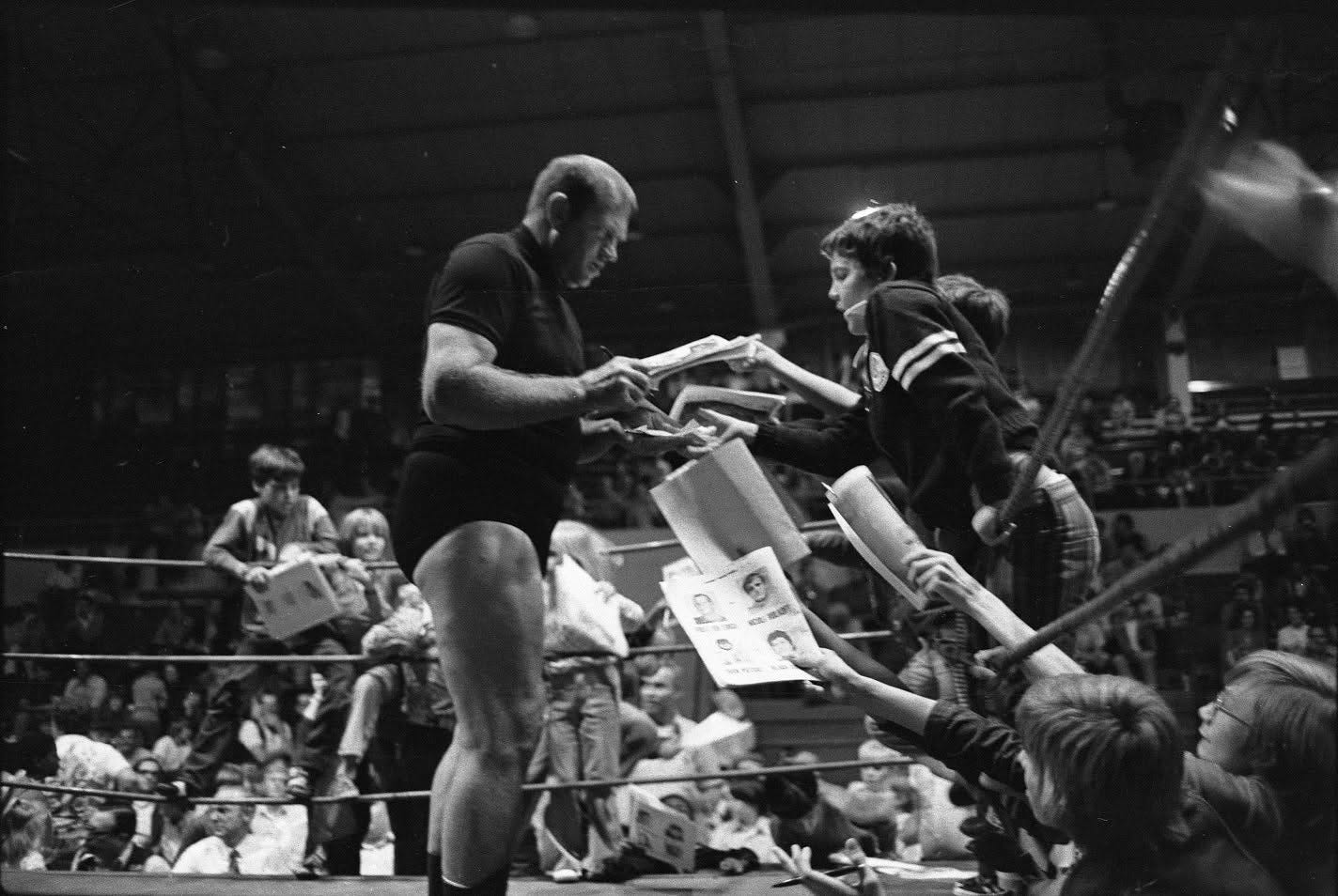
Pictured: Fritz Von Erich signing programs at the Sportatorium in Dallas, Texas
December closed the year with fewer documented cards but clear main-event activity. On December 14 in Dallas, Moondog Mayne defeated The Sheik by disqualification, Big O beat Gino Hernandez, and Tony Charles drew with Siegfried Stanke. Supporting matches included Scott Casey over Skip Young. On December 28 in Dallas, Fritz Von Erich teamed with Moondog Mayne to defeat Lord Alfred Hayes and Gary Hart in a cage match. Ivan Putski defeated Siegfried Stanke on the same card. The cage match provided a clear blow-off element for the ongoing Hayes–Mayne heel program while keeping Fritz active as the territory’s top attraction.
According to Fritz’ November 1976 book records here are how the town were shaping up on average for November of this quarter of 1976:
Monday nights: Fort Worth did $17,399 for the month for a monthly average of $3,479.80 per week on a 5-weeek month
Tuesday nights: Dallas did $25,100 for the month for a weekly average of $5,020 per week on a 5-week month (It spiked for Andre vs The Sheik)
Wednesday nights: San Antonio did $18,516 for the month for a weekly average of $4,629 on a 4-week month.
Thursday nights: Corpus Christi did $5,994 for the month for a weekly average of $1,500 on a 4-week month.
Friday nights: Houston did $47,912 for the month for a weekly average of $11,978 on a 4-week month. Houston spiked for Andre, The Sheik and Dusty appearances.
Saturdays: Austin ran the first two Saturdays of the month and drew $2,397 and $1,455 respectively. Spot shows on Saturdays were in Weatherford, which was cancelled, Little Elm which drew $784.00. They ran two shows in Killeen, Texas one on a Saturday opposite Austin and drew $!,506 and one as a “B” show to Corpus on a Thursday night, which drew $1,255. The last Saturday of November, they ran Harlingen, which drew $989.00.
So for a month, the territory drew $123,307 and if we take that as an average with no special huge event and spread that over three months for a quarter, we get $369,921. That would be $2,190,530.43 in 2026 money.
Here is the percentage each town contributed to the territory and the booking office:
Ft. Worth: 14.1%
Dallas: 20.3%
San Antonio: 15%
Corpus Christi: 4.8%
Houston: 38.8%
Monthly and Spot Shows: 6.8%
The American Heavyweight Championship stayed with Fritz through the end of the year (he would not lose it until early 1977). The Texas Heavyweight Championship had cycled between Rocky Johnson and Seigfreid Steinke during the second half of 1976, with Steinke holding it for stretches that overlapped the fall. Midcard workers such as Les Thornton, Tony Charles, Charlie Cook, Big O, and El Bracero continued to fill out cards. The December results show the office still relying on Fritz’s presence, imported special attractions earlier in the quarter, and reliable local feuds built around disqualifications and multi-man tags.
Business and Overall Assessment
Q4 1976 reflected a functional, wrestler-driven NWA territory under Fritz Von Erich. The Dallas Sportatorium and Fort Worth North Side Coliseum formed the core of the schedule, with the same talent pool supporting dates in San Antonio, Houston, Corpus Christi, Austin, and smaller Texas towns. Fritz’s long American Heavyweight reign anchored the top of the card, while secondary programs featuring Rocky Johnson, Jose Lothario, Thunderbolt Patterson, the Mayne–Hayes combination, and rotating midcard workers supplied weekly content.
Special attractions such as Terry Funk, the NWA World Champion, Mil Mascaras, and Andre the Giant provided occasional spikes. Disqualifications, count-outs, and managerial interference were standard tools for extending programs. The office did not require massive one-off gates every month; consistent local television exposure and the drawing power of Fritz and the rotating Texas roster kept the circuit viable. The quarter maintained the territory’s solid 1976 form and set the stage for the arrival of Bruiser Brody as a major heel in early 1977, when he would end Fritz’s long American title reign.

Thank You for Watching and Listening
I’m Tony Richards, Pro Wrestling Historian, Author and Storyteller. I share pro wrestling historical items in each issue of the Time Tunnel Pro Wrestling History Newsletter and each episode of our podcast show. Thanks for your support! If you enjoy my information on select events, matches and insights, please share with folks you think might like to be a subscriber!
Remember, Premium subscribers get access to exclusive and special content such as some special issues including a multi-part deep dives on wrestling territories, wrestler bios and championship title histories, special audio and video interviews on territory pro wrestling and more available in the Pro Wrestling Time Tunnel for Premium Subscribers. Being a Premium Subscriber also means you support me in my efforts to document Pro Wrestling History through my research, writing, books, vidoes and podcasts. And…I have something very special planned for our Premium Subscribers on the Podcast side of things in 2026! Details soon here in the Pro Wrestling Time Tunnel.